
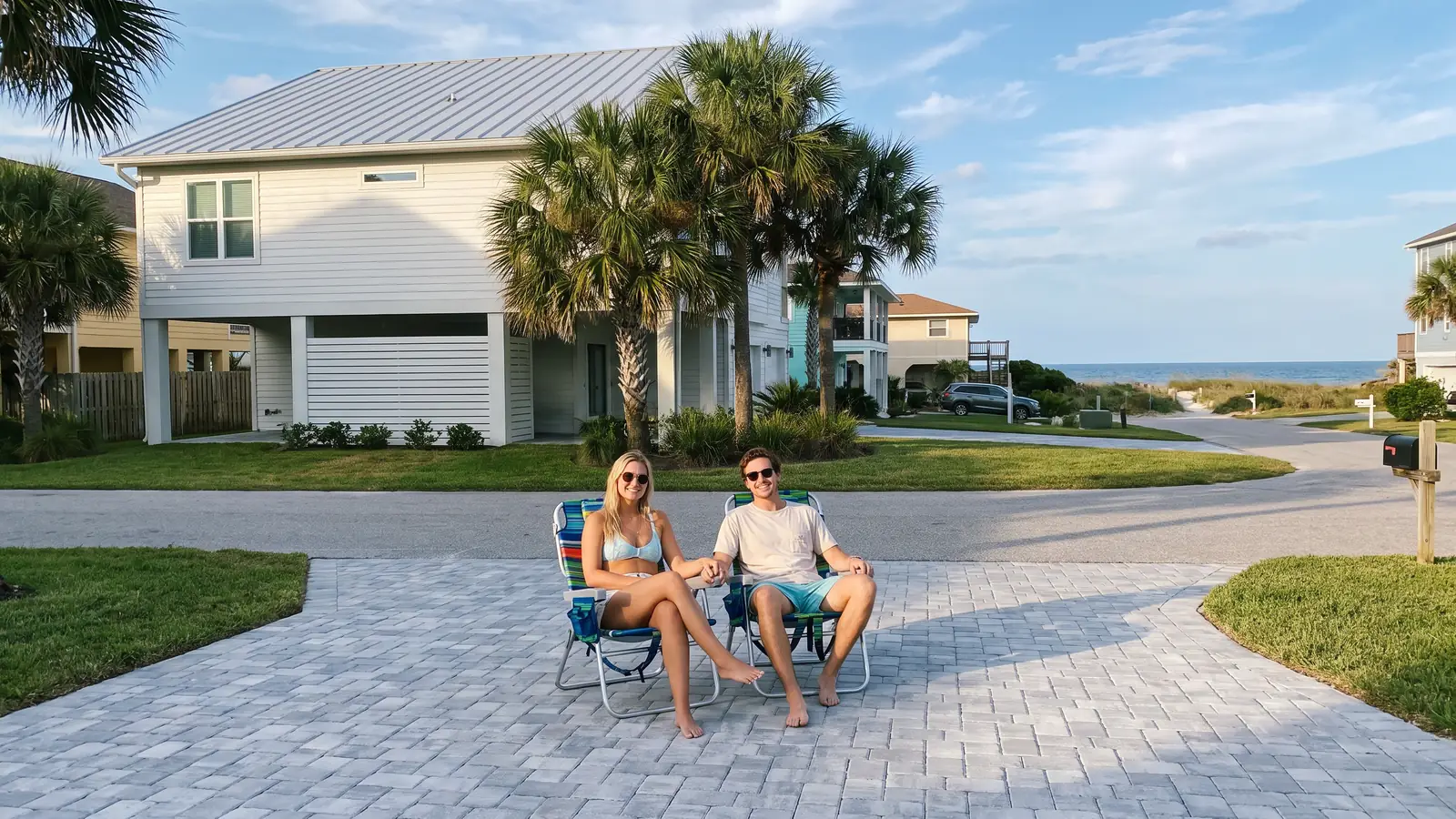
Paver sealing for Panama Park homes
Paver Sealing in Panama Park, FL
Pavers near the Trout River can look new again, so call (904) 541-9975 for a free Panama Park estimate.
- Brings out deeper paver color
- Fresh joint sand helps lock pavers in place
- Gives weeds less room to grow
- Makes the surface easier to keep clean
- Free estimate, no obligation
Request a Free Estimate
Free, no obligation.
Fast, careful paver sealing in Panama Park
Paver sealing is available across Panama Park, from the blocks near Buffalo Avenue to the homes along the Trout River. A local contractor cleans, re-sands and seals driveways, walkways and back patios, and you pay nothing for the estimate. Dial (904) 541-9975 and a reply should reach you within 1 business day, usually much sooner.
Picture the drive you pull into every day after work or school. The color has gone dull, the joints sit low, and a green film shows where the sprinkler lands. After a wash, fresh sand and a new coat, those same pavers read as one even color again. Tell the contractor what you see when you book a free estimate, and ask what your Panama Park pavers need.
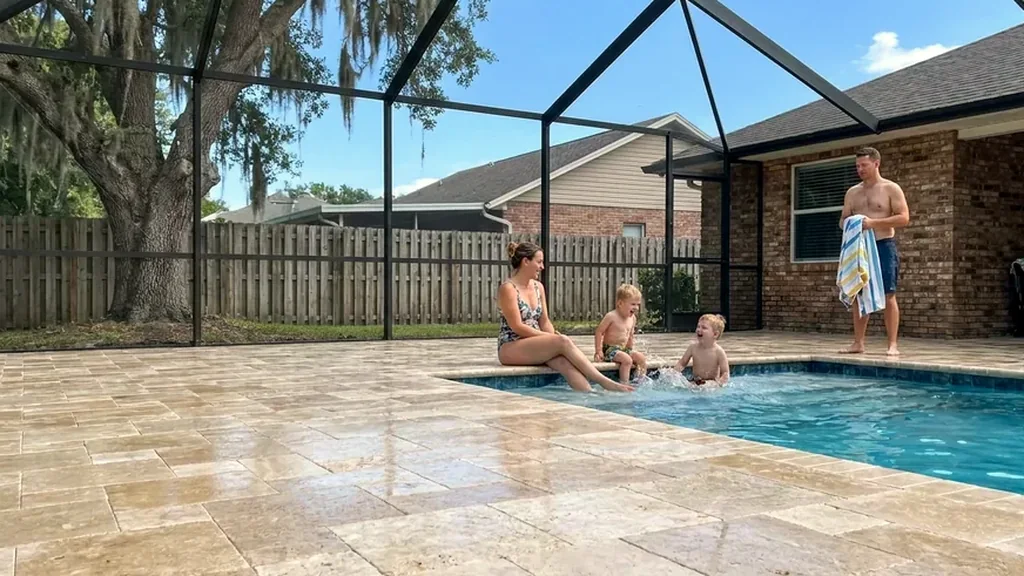
Why hire a local paver sealing contractor in Panama Park?
People in Panama Park pick a local paver contractor because river water, shade trees and hard summer rain all change how a job should go. To hear how that fits your street, book a free estimate.
Price before work
Nothing starts until you have a number in hand. The look at your Panama Park pavers carries no fee.
Know the range
Local companies commonly publish $1.75 to $3.25 per square foot for the full clean, sand and seal. Use it as a yardstick.
Your pick of finish
Choose a glossy wet look or a flat matte. The glossy one scuffs sooner, so think about where the tires roll.
No strings
Ask your questions, say no, or set the date yourself. An estimate here never locks you in.
Get Your Free Estimate in Panama Park
Tell us about your pavers in Panama Park.
Free, no obligation
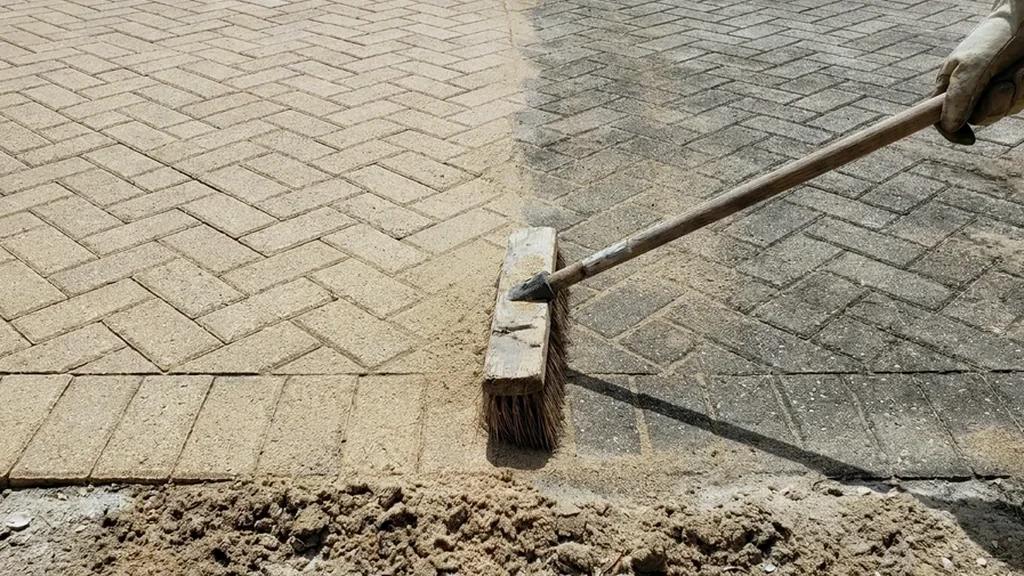
What paver problems show up most in Panama Park?
River film from the Trout River side
The Trout River is brackish in its lower stretch and about 0.6 miles wide near the St. Johns, according to Wikipedia. During Nicole in November 2022, News4JAX reported many homes along the river were damaged by flooding. Pavers that sat in river water can hold a film of silt and grime, and the film is easy to miss until the sun hits the drive at a low angle. Sealer would lock that film in under a shiny coat. That means a full wash has to come first, and it also means the pavers need time to dry before anyone seals them.
Green growth where shade holds water
An early sales description of Panama Park counted more than 8,000 trees on its 50 acres, with oaks, magnolias and cedars lining the streets. If trees still shade your lot, that matters, because shade is what keeps a surface damp from morning to night. Moss and algae turn up on pavers where shade is heavy, a landscape trade group says. A walkway that never sees noon sun will turn green first, and the green tends to come back sooner on a sealed surface that was never washed well.
Joint sand lost to summer downpours
Rain does the quiet damage. Jacksonville collects about 52 inches a year, and May through September brings brief, intense downpours. One Jacksonville builder says that summer rain washes sand from joints no sealer protects. Gaps invite weeds and let pavers wander, so sand is topped up before sealer goes on.
A coat nobody wrote down
Panama Park lots have changed owners since the 1910 sales began, and a drive may hold a coat no one recorded. Water-based sealer cannot go over solvent-based sealer, so the contractor tests and asks before choosing. Cloudy, peeling or patchy spots hint at an old product, and a color that looks glossy in one corner and flat in another is another clue. A receipt or empty can from a past owner settles it fast.
Rust marks from irrigation water
Orange streaks usually trace back to the water. University of Florida extension notes that most Florida well water is high in iron, and iron-rich irrigation leaves rust-colored stains. Look along the edges of the drive where sprinklers reach, and along any wall the spray touches. The contractor treats those stains before sealing, because sealer over rust keeps it there for good. Re-aiming the heads afterward helps prevent a repeat.
Does paver sealing look different near the Trout River than near Main Street?
Yes, a lot depends on which side of Panama Park you live on. The Trout River borders the neighborhood, and marinas, seafood markets and a commercial diving academy line the waterfront. Main Street runs inland past old favorites such as Joseph's Pizza, which opened in 1956. Waterfront lots may need more washing and inland lots more attention to shade, so tell the contractor your street when you book a free estimate.
George W. Clark began selling lots in 1910 on 50 acres around the old railroad depot. His rules kept houses at least 25 feet back from the street, which leaves older lots room for a front walk and a drive. If your home sits on one of those early lots, call (904) 541-9975 and mention roughly how old it is.
Just south of the neighborhood, along 44th Street, Metro Jacksonville says most homes are brick. Pavers beside brick call for a careful hand with cleaner and rinse water. Panama Park itself, the city park on Buffalo Avenue with a splash pad and ball fields, makes a handy landmark when you describe where you live, and its ten acres are easy to place. Whenever you are ready, book a free estimate and say how close you are.
What does paver sealing cost in Panama Park?
Around here, companies commonly publish $1.75 to $3.25 per square foot to clean, sand and seal. For a Panama Park job, shade, lost sand and old sealer decide where in that range you land. Extra walkways and a pool deck add square feet. To price yours, book a free estimate, and the estimate is free.
Setup counts too. An open drive is quick, but a fenced back patio or a narrow gate means carrying gear by hand. Pavers that sat under river water or leaf litter take longer to wash. To learn which of these fit your lot, call (904) 541-9975.
| Paved area | Typical example | Clean, sand and seal |
|---|---|---|
| 300 sq ft | Small patio or walkway | $525 to $975 |
| 600 sq ft | Two car driveway | $1,050 to $1,950 |
| 1,000 sq ft | Large driveway or pool deck | $1,750 to $3,250 |
| 1,500 sq ft | Driveway plus pool deck | $2,625 to $4,875 |
Math based on the $1.75 to $3.25 per square foot that Northeast Florida paver companies published as of November 2026. Your contractor sets the actual price after seeing the surface. Repairs, leveling and stripping failed sealer are usually extra.
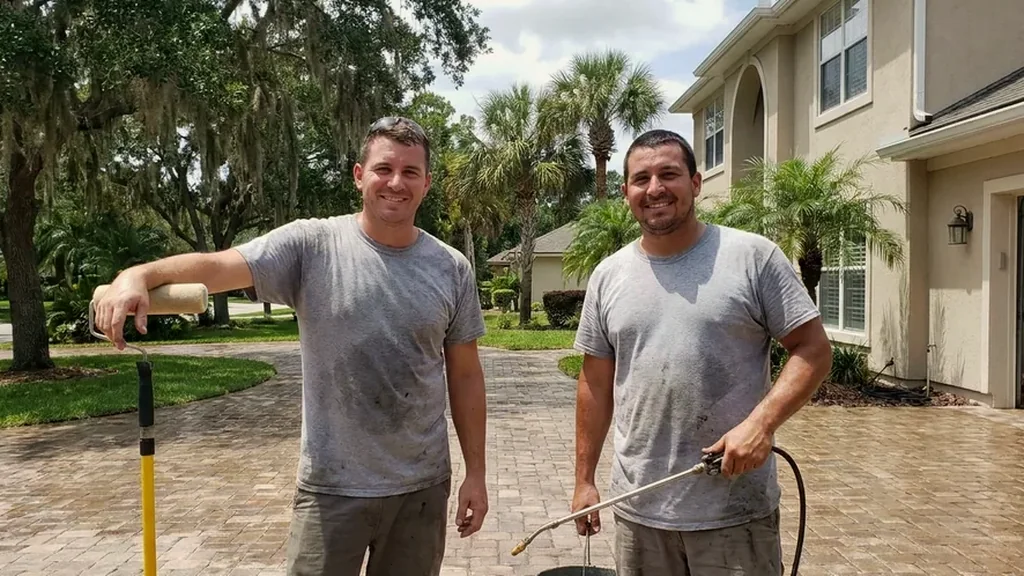
How does a paver sealing job work in Panama Park?
Start with a walk around
Before any tool comes out, the contractor circles your drive. Dips, loose edges, oil spots and old sealer all get noted. Sunken sections need resetting first, because sealing over them only freezes the dip in place. If you recall river water reaching the lot, say so, and mention any spot where puddles linger after rain. Those details shape the plan before the first hose is turned on.
Clear off the grime
Washing is the heavy part. It lifts silt left by the river, green film from shady strips and rust from sprinklers. Rinse water is kept off brick and wood trim beside the pavers. Skipping this step would trap everything under the coat. Heavy growth or deep stains can take more than one pass, and the contractor will say so before starting.
Put sand back where rain took it
Every wash pulls sand from the joints. New sand goes in before sealing, and the surface gets a sweep. That fill locks the pavers together and takes away places for weeds to start. A wet summer means more sand to replace. Open joints along the edges, where water runs off the drive, are usually the emptiest.
Give it time to dry
Pavers must be dry before sealer touches them. May through September storms can stretch that wait, and ground by the Trout River may stay damp longer. One Jacksonville builder says wet look sealer can cloud on damp pavers. A good contractor reschedules rather than rushes. Afternoon storms are common in the summer months, so early starts help.
Roll on the finish and stay off
Sealer goes down in the finish you picked. Wet look scuffs sooner than matte, so busy drives may wear faster. Local quotes land between two and five years before the next coat. Walking is fine in hours, according to one Jacksonville company, while cars wait about a day. Plan where the family cars will sit overnight.
Complete paver services in Panama Park
Think of the work as four beats at a Panama Park home: wash, sand, dry, seal. Silt, algae and rust come off first. Sand fills the joints next, and sealer waits until everything is dry. To learn how long each beat takes at your house, call (904) 541-9975.
Different surfaces wear differently around Panama Park. Tires and sprinklers beat on the driveway, shade and damp work on the front walk, and a pool deck needs a finish that is safe for bare feet. List what you have when you book a free estimate.
Choosing sealer means two decisions. First comes the type, since water-based and solvent-based will not layer and any older coat steers you. Second comes the look, with wet look glossy and matte flat. Call (904) 541-9975 and ask which suits your Panama Park house.
Weather runs the calendar here. Summer storms between May and September can bump a date, and low ground by the river may hold water longer than the street. The contractor may ask to see the lowest part of your drive first. For a date that works, book a free estimate.
Questions to ask before you hire
- Can you get the white chalky film off my pavers before the sealer goes on?
- Is the price on your quote fixed, or can it change once you start?
- Will hot tires leave marks on the sealer when I park on a summer afternoon?
- Do you pull the weeds and grass out of the joints, or only spray them?
- Where does the dirty rinse water go while you clean?
- Will the sealer make my pool deck slick when it gets wet, and can you mix in grit?
- Do you avoid sealing in the heat of a summer afternoon?
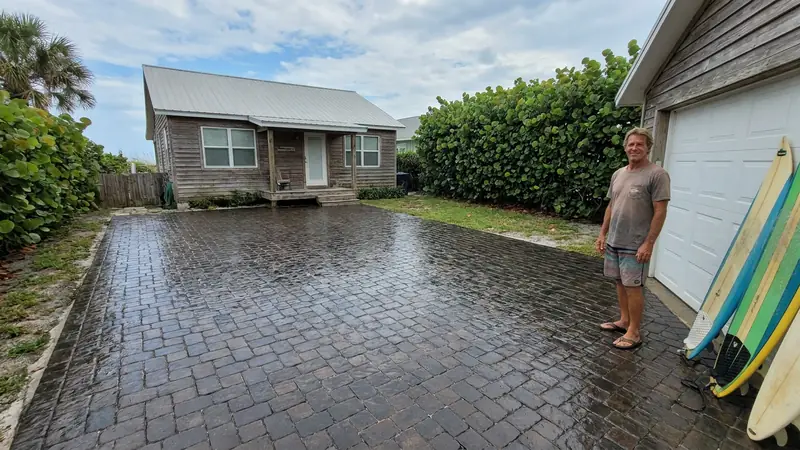
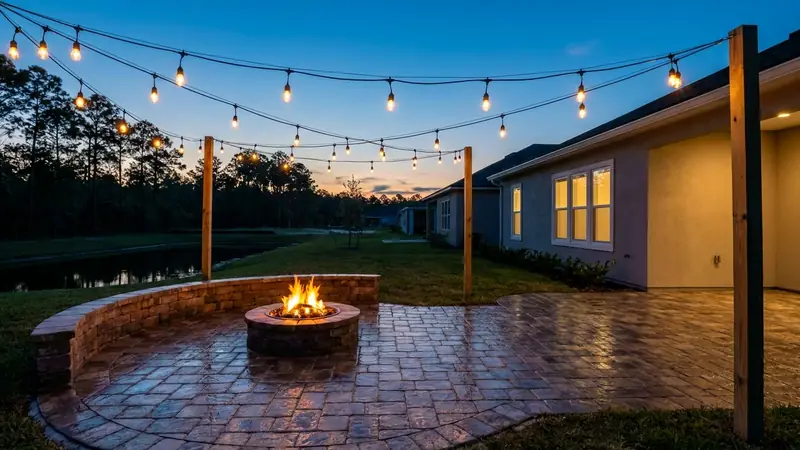
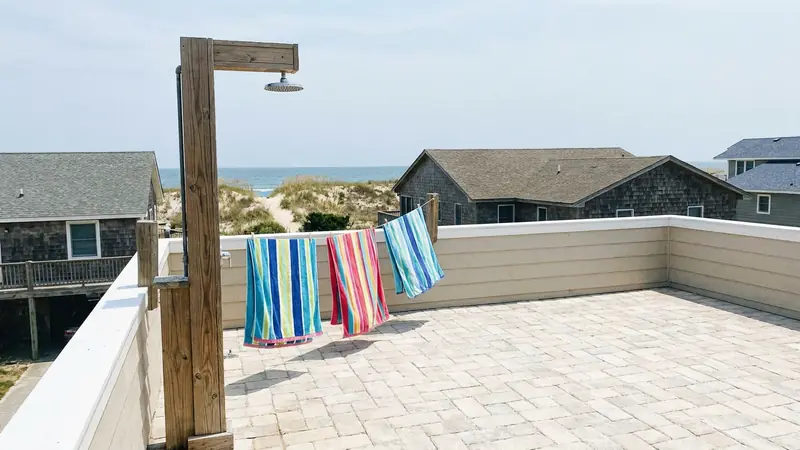
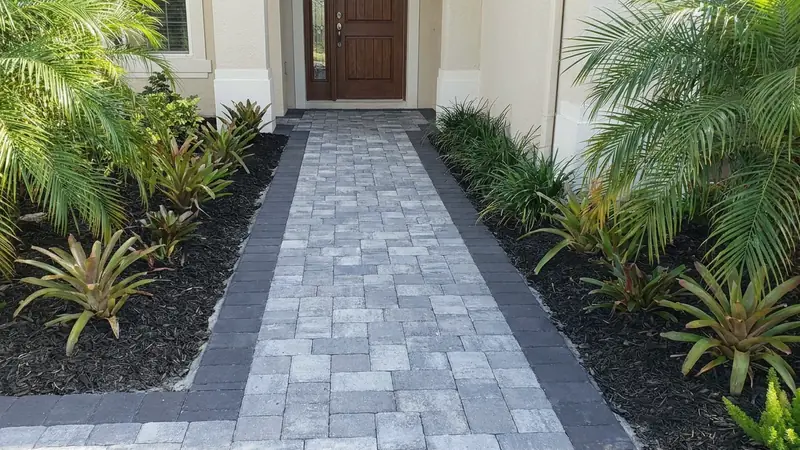
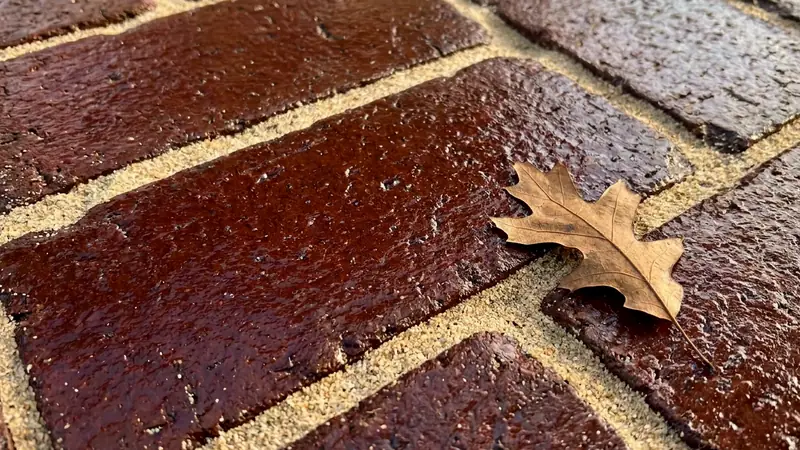
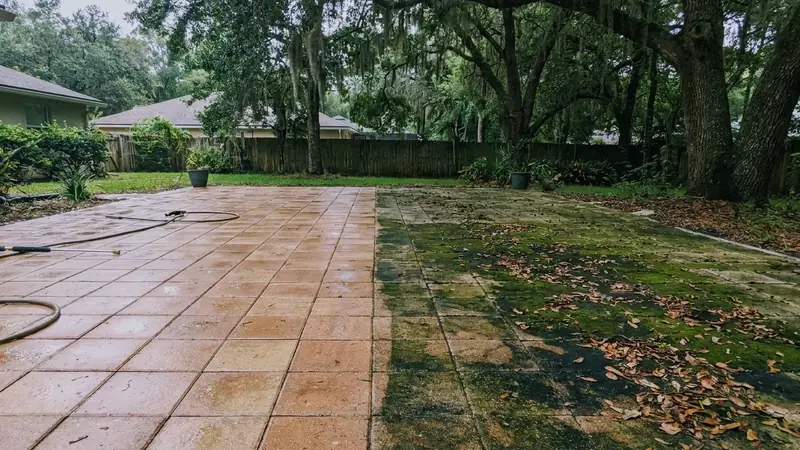
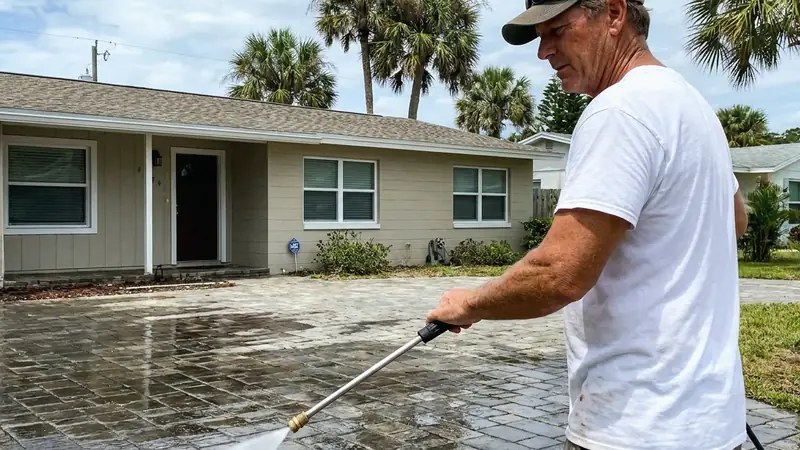
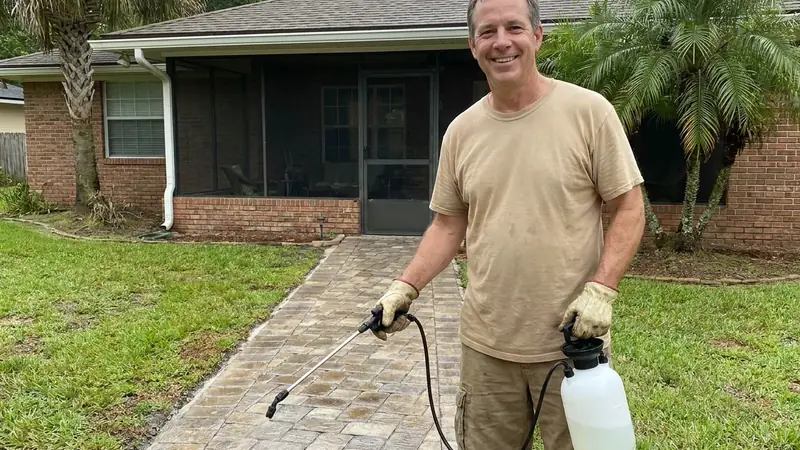
What do sealed pavers look like around Panama Park?
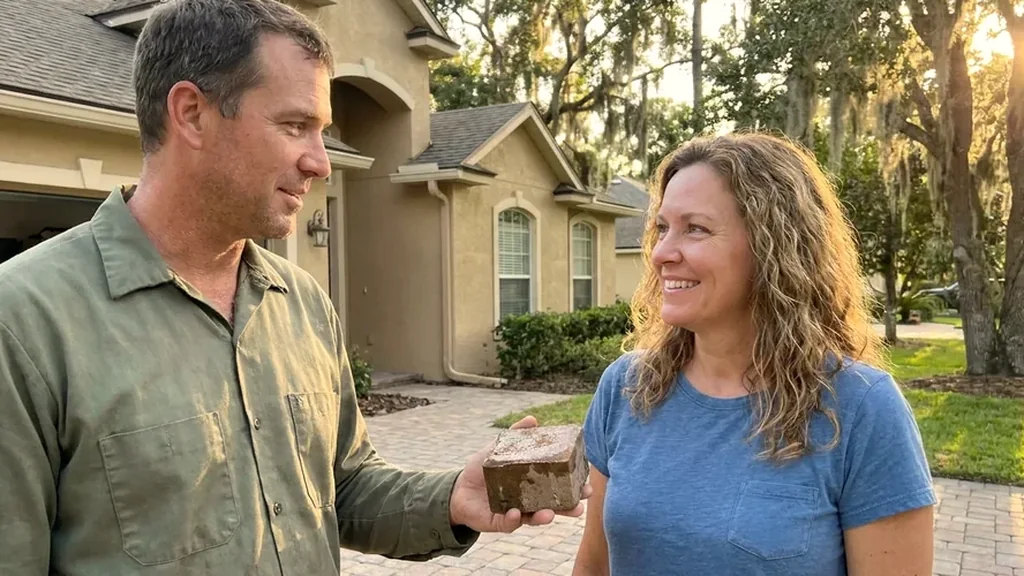
Why local matters in Panama Park
A contractor who works Panama Park asks about river water first, because the Trout River left many homes damaged during Nicole in 2022. The answer sets how much washing comes before sealer. An out-of-town crew may skip the question and leave a film under the coat. To talk with a contractor from this corner of Duval County, call (904) 541-9975.
Storm timing is local knowledge too, and it matters on a river lot. Rain comes in short bursts between May and September, and the river can overflow, as it did during Nicole. A crew that knows this plans sealing days around the forecast and around your lowest ground. You can book a free estimate and ask how that works.
Houses here run from early railroad-suburb homes to lots near the water, and each needs its own wash plan. A contractor who knows the area brings the right plan to the first visit, so the quote matches the job. If that fits your place, book a free estimate and describe it.
What is the story behind Panama Park's streets and waterfront?
It began as a fishing and picnic spot, first platted in 1879. A railroad depot opened a year later, and the Cummer Lumber Company built its sawmill in 1896. By 1899 a rail line carried logs from near Newberry to that mill. If you live near the old rail corridor and want the contractor to check how your lot drains and where shade falls, book a free estimate.
Jacksonville annexed Panama Park in 1925, and Lola M. Culver Elementary, one of architect Henry Klutho's last great Prairie-style designs, had opened in 1916. Florida's first crab meat plant moved to the Trout River in 1934, and a wallboard plant opened on the old mill site in 1939. If you live close to one of these places, call (904) 541-9975 and tell the contractor your street.
The Bert Maxwell Boat Ramp, just west of the Trout River Bridge on Interstate 95, opened in September 1961 and is rated for boats under 22 feet. A second ramp was added in 2004. Homes near the water here sit close to the same river the ramp serves, so tell the contractor if yours does. To talk it over, book a free estimate.
Frequently Asked Questions
What is the average cost to seal pavers in Panama Park?
Budget around $1.75 to $3.25 per square foot to clean, sand and seal, which is the range companies here commonly publish. Shade growth, old sealer and lost joint sand move a Panama Park job within that range, and a driveway that sat under river water may land higher. Ask for the total square footage in the quote so you can compare it to the range. A written number makes two bids easy to line up.
How much does it cost to seal outdoor pavers like a pool deck or walkway in Panama Park?
The same per square foot range applies to a pool deck, patio or walkway. The contractor measures every surface and adds them up, then writes the total area into the quote. A larger layout means a bigger total even at the same rate. Pool decks often need a dry surface and a finish that suits wet feet, so ask about that at the visit.
Is it a good idea to seal pavers in Panama Park?
Usually yes, because sun, rain and shade all work on pavers here. One Jacksonville paver company says the sun fades unsealed concrete pavers noticeably within three to five years. A sealed surface holds joint sand better, though the coat needs renewing down the road. A wet look adds shine and a matte finish keeps the look quiet, so you choose.
What is the average cost to seal pavers when my driveway has old sealer on it?
The same published range applies, but old sealer can add work and push a job toward the top of it. The contractor has to find out what is on the surface, since water-based sealer cannot go over solvent-based sealer. Ask for the old coat to be noted in the quote. That way the price you are given already reflects the extra work.
How often do you have to seal pavers in Panama Park?
Companies here usually put it at two to five years between coats. Heavy tree shade and daily tires are reasons to lean toward the shorter end. One Jacksonville builder offers a test: water that beads means the sealer works, and water that soaks in and darkens means it is spent.
How long should new pavers sit before they are sealed in Panama Park?
One Jacksonville builder says to wait 30 to 60 days after installation, which gives efflorescence time to work its way out. Joints should be re-sanded before the first coat, never after. Ask your installer for the date your pavers went in so the contractor can plan around it. If the pavers are older and have never been sealed, the wash and sand steps matter more than the wait.
Should a Panama Park pool deck get a special sealer?
One Jacksonville builder suggests a sealer with an anti-slip additive on pool decks, because a gloss coat without one can be slippery when wet. The same builder calls matte the safest finish near pools. Raise it at the first visit so the contractor can pick the product before work starts. A deck near the water or a pool also tends to be wet often, which is one more reason to ask early.
Can I pick a joint sand color for my Panama Park pavers?
Sometimes. One Jacksonville company uses silica joint sand as its standard and offers colored sand as an upgrade, so availability depends on the contractor. Ask at the first visit. The sand goes in before the sealer does, so the choice has to be made early. Pick a shade that suits the paver color and the house trim.
Ready for a Free Estimate in Panama Park?
Call (904) 541-9975 and tell us about your pavers.
Free, no obligation