
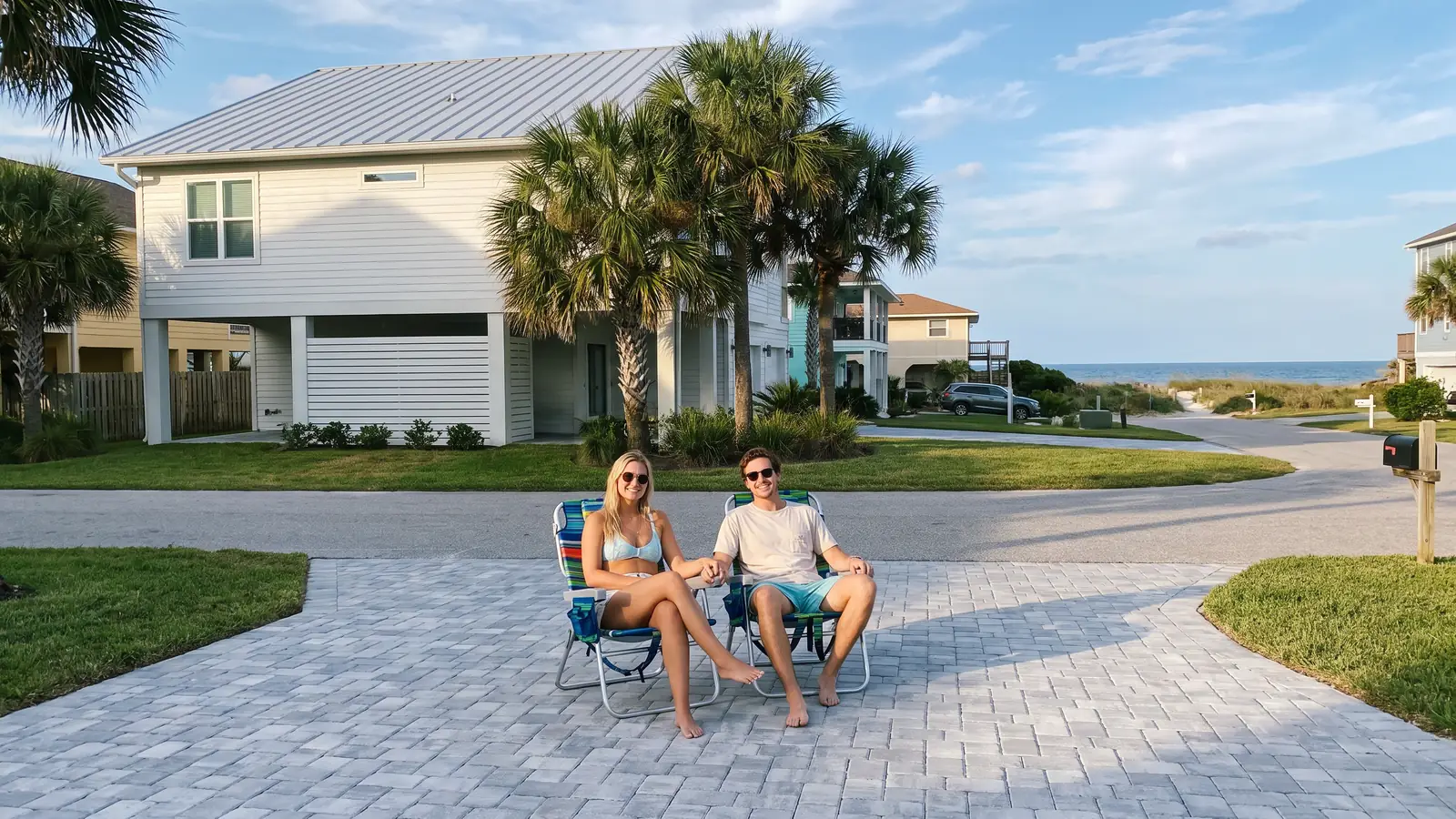
Paver sealing for San Jose homes
Paver Sealing in San Jose, FL
Spanish Revival homes and mature oaks set San Jose apart; call (904) 541-9975 for a free paver sealing estimate.
- Brings out deeper paver color
- Fresh joint sand helps lock pavers in place
- Gives weeds less room to grow
- Makes the surface easier to keep clean
- Free estimate, no obligation
Request a Free Estimate
Free, no obligation.
Fast, careful paver sealing in San Jose
Paver sealing is available across San Jose, from the river lots off San Jose Boulevard to the quiet streets near San Clerc Road. A local contractor cleans the stones with a gentle hand, restores the joint sand and seals the surface. The estimate is free, and when you book a free estimate, a reply arrives within 1 business day, usually much sooner. Drives, front walks, courtyards and pool decks are all included.
Picture the front walk of a Spanish Revival home, green at the edges and thin in the joints. A cleaning, new sand and a fresh coat can bring the stones back to one steady color. Call (904) 541-9975 and describe the house, the stones and anything you know about earlier sealing. The contractor can then plan a careful visit.
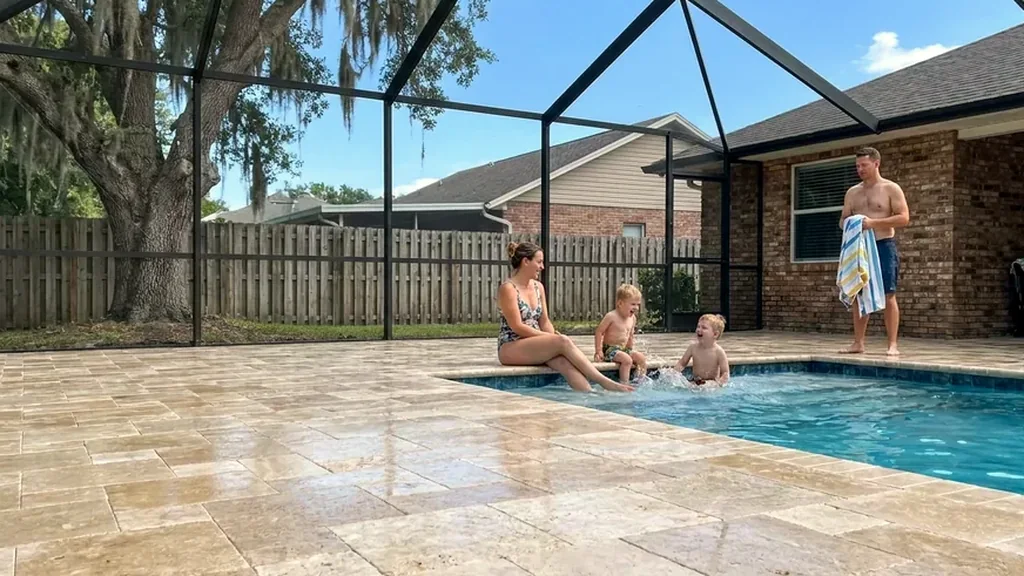
Why hire a local paver sealing contractor in San Jose?
San Jose owners tend to want a contractor who treats old stucco, mature trees and historic rules with care. A local contractor asks about all three before quoting. To talk about your lot, book a free estimate.
Study before quoting
A contractor reads your San Jose stones, trim and old coat first, then names a price. No work starts until you agree.
Published pricing
Cleaning, sanding and sealing runs $1.75 to $3.25 per square foot in published Northeast Florida pricing. Measure bids against that.
Quiet beside stucco
Matte sits quietly by tile and stucco. A wet look gives richer color but gets scuffed up sooner.
Choice stays with you
You set the finish, the day and the go-ahead. A San Jose estimate is only that, and carries no obligation.
Get Your Free Estimate in San Jose
Tell us about your pavers in San Jose.
Free, no obligation
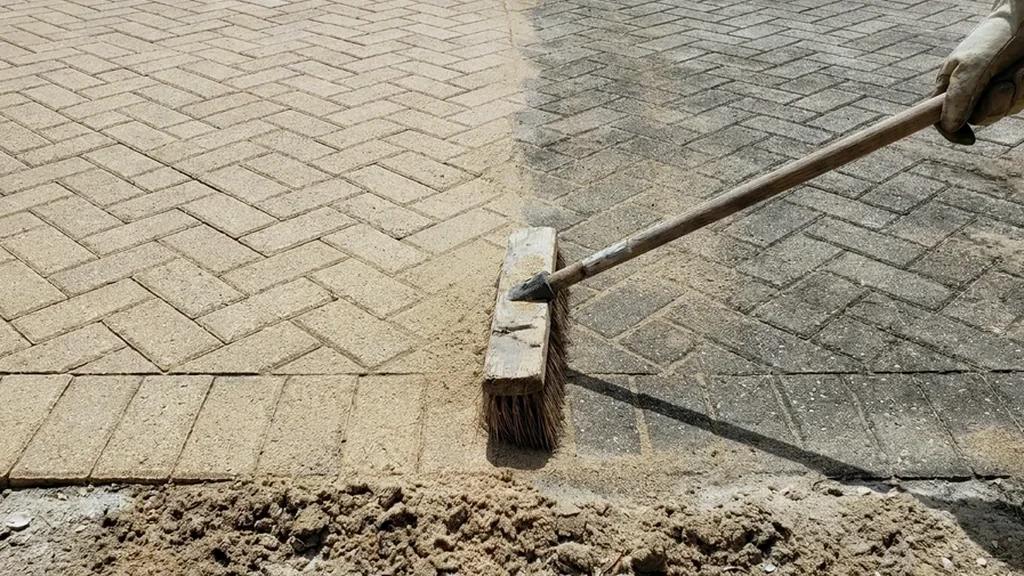
What paver problems show up most in San Jose?
Mediterranean walls beside the pavers
Marsh & Saxelbye designed Mediterranean Revival buildings and homes for San Jose Estates, and Wikipedia says Spanish Revival bungalows still stand there. Rinse water and cleaners can mark stucco, so the contractor keeps spray low and angled away from the walls. A matte finish sits quietly beside tile and stucco, which is why many owners ask for it. Tell the contractor about any wood trim or tile near the stones, and about fountains or planters that sit beside them. Those spots get a gentler rinse and a closer look. Photos of the walls and trim help the contractor plan the rinse.
A coat from a different decade
San Jose homes run from Spanish Revival bungalows to mid-century ranches, so the paving beside them may have been redone more than once and no one may know what went on. A water-based sealer cannot go over a solvent-based one, so naming the old coat comes first. Flakes or cloudy spots usually point to an old product.
Algae under mature trees
The city describes Camp Tomahawk Park, between San Jose and Beauclerc, as holding a mature growth of oak, pine and maple. Trees like that cast shade, and Landscape Ontario says moss and algae should not grow on pavers unless shade is heavy. A walk under old branches may go green first. Treatments help little on stones that stay damp. Trimming branches back lets sun reach the walk, and the contractor can point out which spots will dry on their own.
Moisture near the river and creeks
San Jose sits on the east bank of the St. Johns River, and Goodbys Creek runs between San Jose and Mandarin. A Jacksonville paver company says damp pavers are a reason a coat turns white or blotchy. Sealer needs a dry surface, so a lot near the water may need extra drying time. The contractor checks the shaded and low spots by hand. A low corner by a downspout or a planting bed is the first place to look.
Joints thinned by summer storms
San Jose follows the citywide pattern, with brief, intense storms from May to September bringing most of the rain. Once joint sand is gone, the gaps widen, soil settles in and weeds follow. Since washing takes sand out too, the joints are refilled before any sealer goes on. Sand that is topped up locks the stones in place and evens the surface. A packed joint also keeps sealer from sinking into gaps. A full joint line also helps the stones look even from the street.
Does a historic San Jose street change how pavers get sealed?
It can, because part of San Jose is on the National Register and part may carry city rules. A group of houses on Via de la Reina was listed in 1985 as part of the San Jose Estates thematic group. The city requires a Certificate of Appropriateness for exterior work in local historic districts and on landmarks, and it names driveways. Look up your address on the city's Land Development Map first, and then book a free estimate.
San Jose lies about four and a half miles from downtown, on the east bank of the St. Johns River. It runs from University Boulevard south to San Clerc Road. Homes range from million-dollar waterfront houses to small wood-frame starters, so no two blocks need the same plan. Tell the contractor which end you live on when you book a free estimate.
Streets inside the old San Jose Estates plan are named for Spanish cities, and Wikipedia notes it was unusual that every street had paved sidewalks. Walks, front steps and courtyards are all part of a job here. If your lot has several surfaces, call (904) 541-9975 and list them all.
Not every San Jose home is old. Wikipedia lists mid-century modern ranch homes next to the Spanish Revival bungalows, so a street can hold two eras side by side. A newer drive may have no old coat at all, while an older one may carry several. Share your home's rough age when you book a free estimate.
San Jose Boulevard is the long parkway through the old plan, laid out with landscaping and public buildings as focal points. Homes along it and the lots behind it were built over different decades. Describe your street and its age when you book a free estimate, and the contractor can plan the visit.
What does paver sealing cost in San Jose?
The usual published price in Northeast Florida for cleaning, sanding and sealing is $1.75 to $3.25 per square foot. In San Jose, courtyards, side walks and winding entries can add more edges than a plain rectangle, and edges take hand work. An old coat from an earlier decade adds time too. To price the stones at your address, book a free estimate.
Shade growth under a canopy adds wash time. Narrow courtyards may need equipment carried in by hand. Call (904) 541-9975, and before any work starts the contractor can name which of these apply to your property.
Surface type changes the math, since a front walk is quick and a large courtyard with planting beds takes more edging. Ask for each surface as its own line on the quote. That way you can see what each part costs. To get those lines, book a free estimate.
Care raises the hours, not only the price. Hand rinsing near stucco, covering tile edges and moving potted plants all take time. Ask what the quote assumes, so you can compare bids fairly, and ask whether the contractor will protect plants and trim. To get that detail in writing, book a free estimate.
| Paved area | Typical example | Clean, sand and seal |
|---|---|---|
| 300 sq ft | Small patio or walkway | $525 to $975 |
| 600 sq ft | Two car driveway | $1,050 to $1,950 |
| 1,000 sq ft | Large driveway or pool deck | $1,750 to $3,250 |
| 1,500 sq ft | Driveway plus pool deck | $2,625 to $4,875 |
Math based on the $1.75 to $3.25 per square foot that Northeast Florida paver companies published as of November 2026. Your contractor sets the actual price after seeing the surface. Repairs, leveling and stripping failed sealer are usually extra.
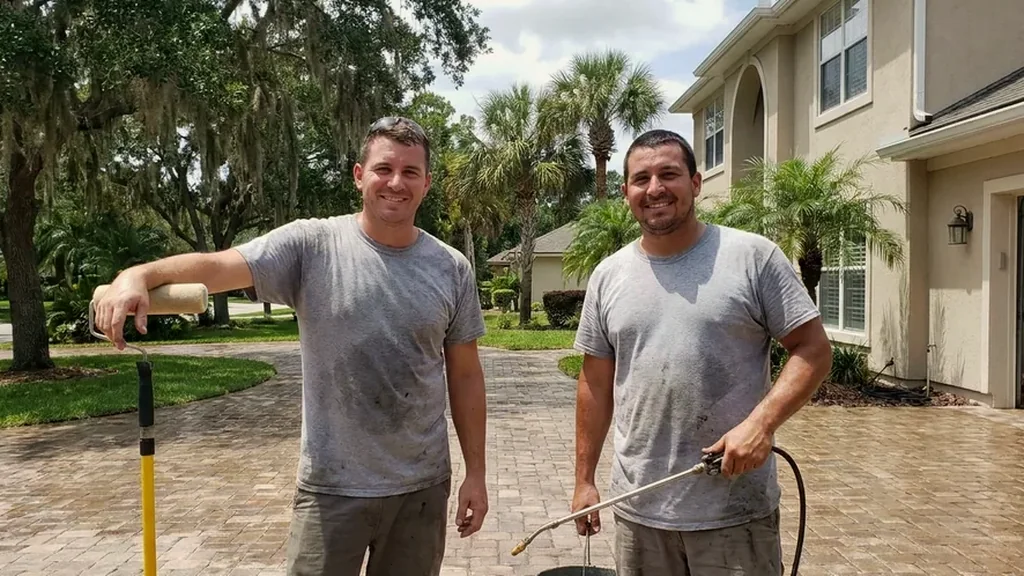
How does a paver sealing job work in San Jose?
Survey the lot
The contractor tours the drive, walks and courtyard, marking low spots, loose stones and the old coat. If your home is historic, ask about city rules first. The old product is named before anything else happens, since the two sealer families clash. Past photos are welcome.
Wash with a light hand
Green film, leaf stains and grime come off, with spray kept low and angled away from stucco, tile and wood. Rust gets its own treatment. Bare stone is what the sealer needs, and anything that looks different after the wash is pointed out to you.
Refill the gaps
Thin joints get new sand, packed tight and brushed off. Years of thin joints mean extra time. Weeds come out first. Sand left on the faces of the stones is swept away before the next stage.
Let it dry
Stones near the river or under big trees hold moisture, and the sand below can stay wet after rain. The contractor waits for a dry stretch and checks shade by hand. A storm on the way moves the date, and a damp edge by a planting bed gets a second look.
Coat the stones
Spray goes on first and a roller follows, pushing sealer down into the joints. Matte hides wear, and the wet look deepens color. Edges by walls and steps get a second pass, and you are told when the surface can be used again. A last walk-through closes out the work.
Complete paver services in San Jose
San Jose work moves in order: gentle wash, new sand, full dry, sealer. The wash lifts green film and leaf stains without hitting stucco. Sealer waits until the stones are clean and dry. Call (904) 541-9975 to hear how long each step runs at your address.
Typical lots mix a drive, a walk, a courtyard and a back patio. Shaded corners get extra care. Ask for each area as a separate line, so you can choose what to do. Tell the contractor your list when you book a free estimate.
Two sealer families exist, and they cannot be stacked. Whatever is down now picks the new product. Many owners beside tile roofs go matte, while others want the deeper wet look and accept the scuffs. For advice on your San Jose pavers, call (904) 541-9975.
Weather and shade write the schedule. May to September brings most of Jacksonville's rain, and a shaded San Jose walk may stay damp after a sunny drive dries. The contractor feels each surface before sealing it. To pick a workable date, book a free estimate.
Questions to ask before you hire
- Do you pull the weeds and grass out of the joints, or only spray them?
- If I add more pavers later, will they match the sealed ones?
- Sand blows in off the beach all year, so how do you keep it out of the fresh joints?
- How should I rinse and care for the pavers between sealings?
- Will the sealer make my pool deck slick when it gets wet, and can you mix in grit?
- My place is a rental, so can the work fit between guests, and how many days does it take?
- Can I see photos of paver jobs you have done near the beach?
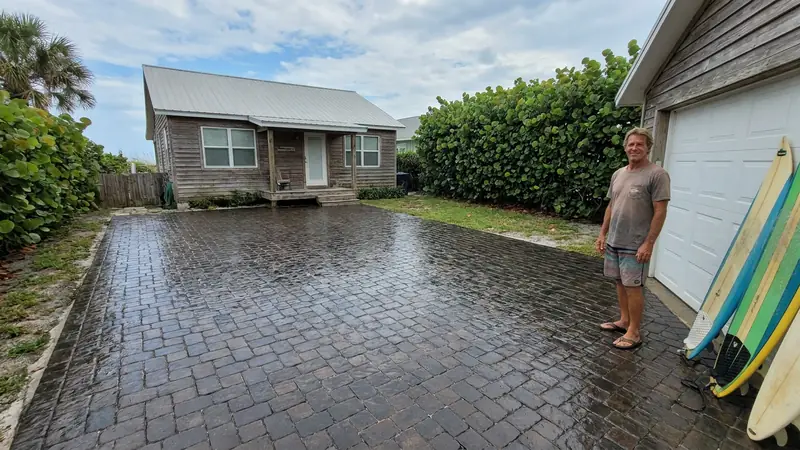
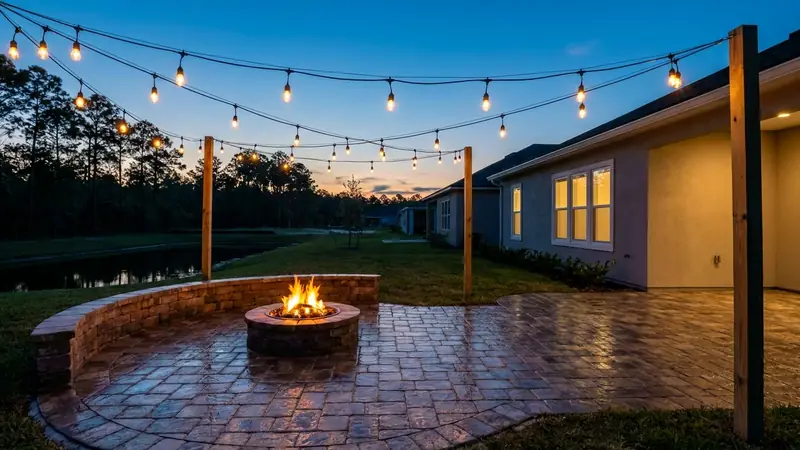
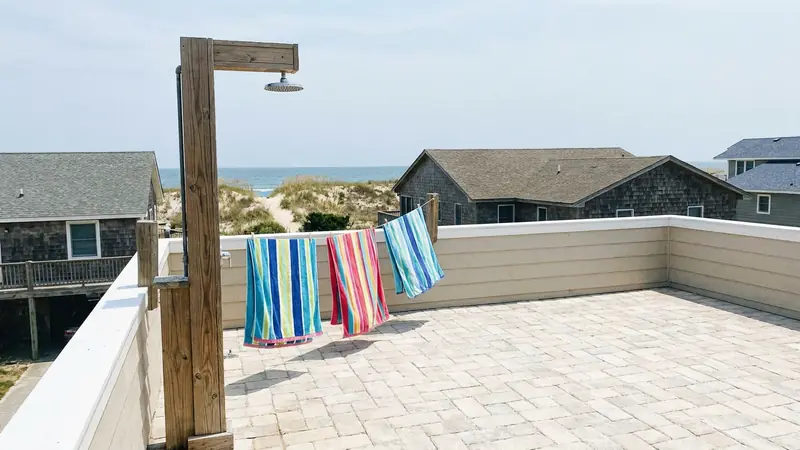
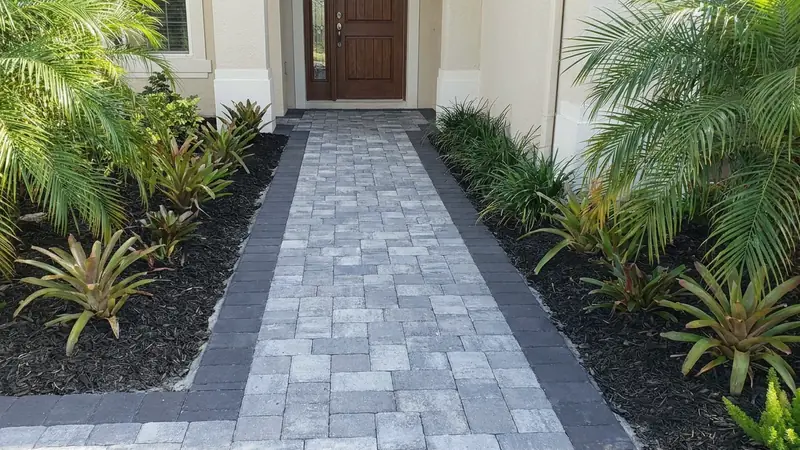
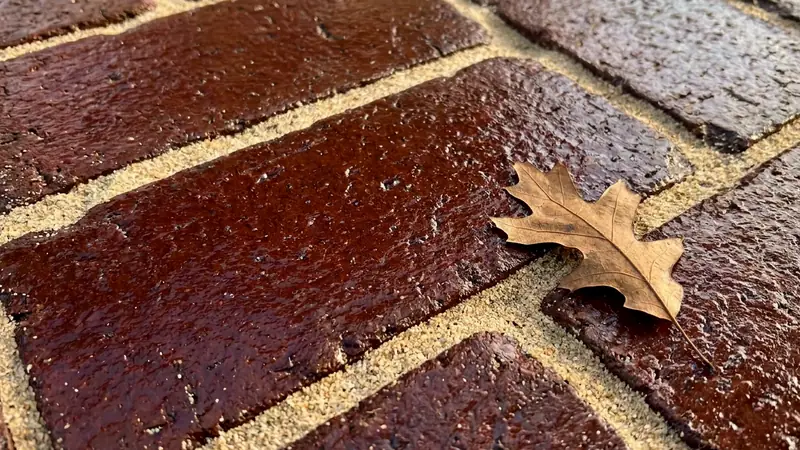
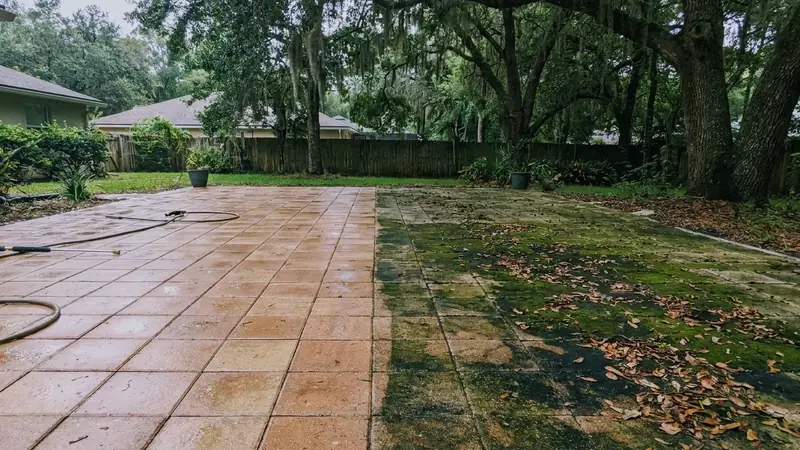
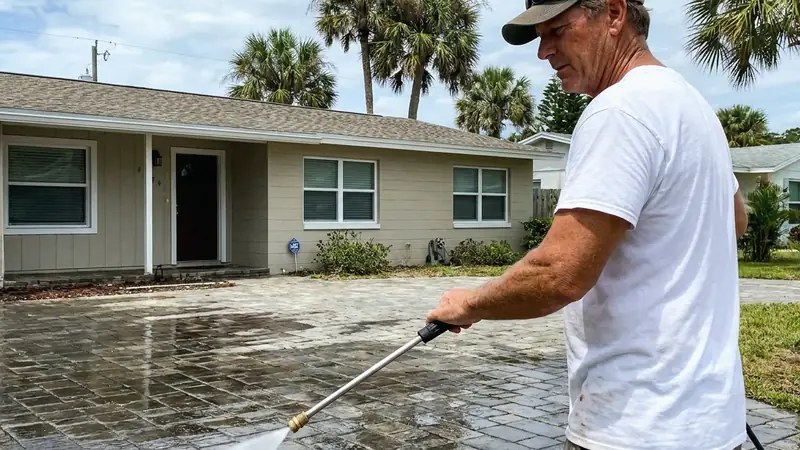
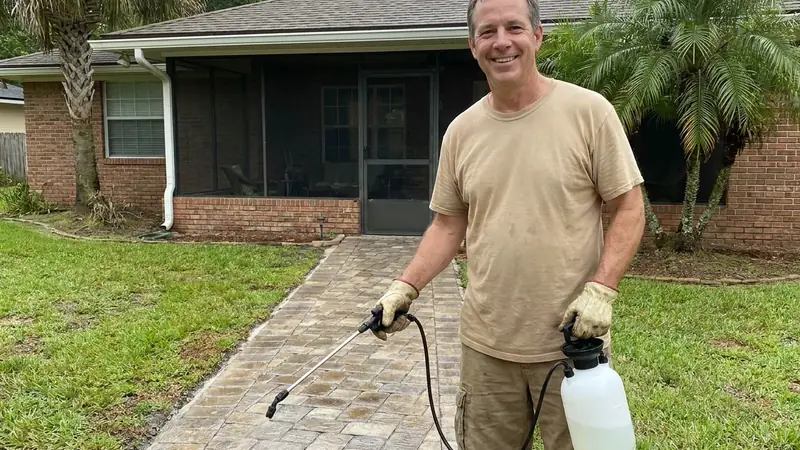
What do sealed pavers look like around San Jose?
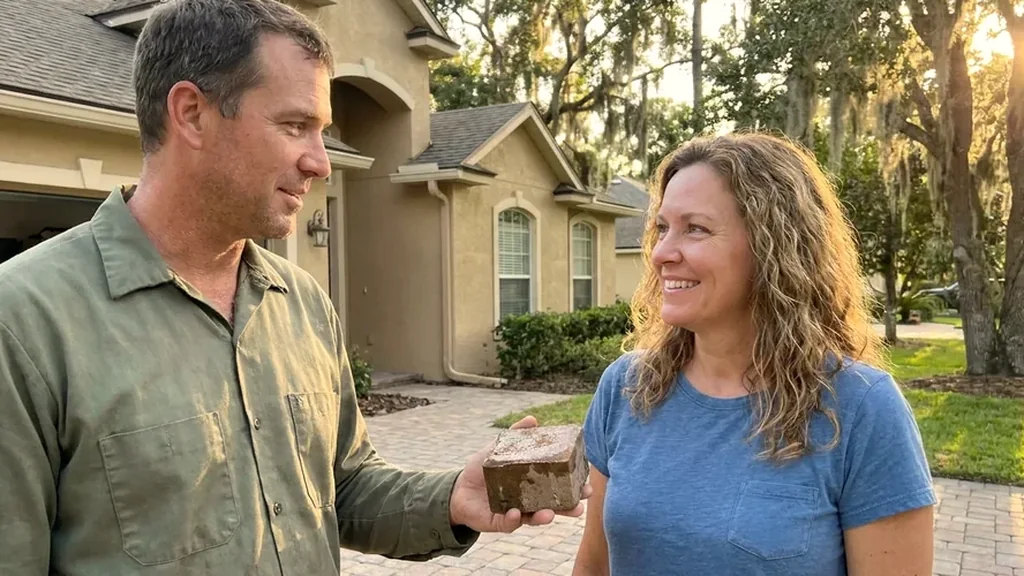
Why local matters in San Jose
A contractor who knows San Jose knows its planned streets around the old hotel and golf course. Expect a question about which part you live in. The neighborhood runs from University Boulevard to San Clerc Road, with homes from many decades. To reach a local contractor, call (904) 541-9975.
Care around old homes counts. Spanish Revival and Mediterranean houses can mark if rinse water is careless. A local contractor keeps spray low and checks how the pavers meet stucco, tile and wood. You can book a free estimate and mention your house style so the plan fits.
Rules need a quick check. The city requires a Certificate of Appropriateness for exterior work in local historic districts and on landmarks, and an association may add its own limits. A local contractor knows to ask first. If you want to check, book a free estimate and give your address.
The dry-out time on a shaded riverside lot is another local question. Jacksonville's rain is concentrated from May to September, and damp pavers can turn a coat white or blotchy. A contractor who works this area plans for that. To ask about timing, call (904) 541-9975.
Sales began in July 1925 with $732,000 in the first week, and the first phase sold out by early August. The company planned 1,911 lots and nearly 2,000 homes. Only part of that was built, which is why San Jose mixes eras so freely. For a plan that fits your lot, call (904) 541-9975.
Epping Forest, the du Pont estate off San Jose Boulevard, joined the National Register in 1973 and now serves as a yacht club. Many homes near it sit along the same river. For help planning a visit near the water, call (904) 541-9975.
How did San Jose become a planned Spanish-style neighborhood?
Developer Claude Nolan formed the San Jose Company in 1914, but World War I delayed his plans. In 1925 San Jose Estates bought about 1,000 acres of the old San Jose Plantation and hired planner John Nolen. His plan used a radial street pattern, with streets named for Spanish cities and a parkway lined with public buildings. Near any of those streets, call (904) 541-9975 and name your cross street.
The San Jose Hotel opened on New Year's Day 1926, and the Florida land boom ended soon after. By 1928 only 31 homes had been built of the hundreds planned. The hotel is now The Bolles School, and Alfred du Pont's 58-acre Epping Forest estate, built in 1927, is now a yacht club. If you live near those landmarks, book a free estimate.
Goodbys Creek, a tributary of the St. Johns River, runs between San Jose and Mandarin, and 39 acres along it were preserved in 2002. Camp Tomahawk Park sits between San Jose and Beauclerc, with oak, pine and maple trees, and the city bought it in 1981. Near the creek or the park, book a free estimate.
Frequently Asked Questions
Why is paver sealing so expensive in San Jose?
The price covers a full job, not just a coat of sealer. Gentle cleaning, new joint sand and careful application fall inside the published range, and courtyards add edges. An old coat or heavy shade film adds time, which is the main cost.
How much does it cost to re-sand and seal pavers in San Jose?
Plan on the published Northeast Florida range, with re-sanding included. Washing takes out joint sand, which is why new sand goes in before the coat. Ask for a quote that lists each surface and its area. The estimate is free, and you keep the numbers to compare with other quotes.
How long does paver sealing last in San Jose?
Quotes from companies put the gap between coats at two to five years. Heavy shade and daily tires may bring the next coat sooner. One Jacksonville company tests a coat with sprinkled water, reading beading as healthy and soak-in as spent.
Which water-based sealer suits San Jose pavers?
The coat already down settles the question, because water-based sealer cannot go over solvent-based sealer. On an older home the contractor works out what is already on the stones. Keep a note of the product name for whoever does the next coat. That one note saves a lot of guessing years from now.
Does a historic San Jose home need city approval to seal pavers?
Possibly. The city requires a Certificate of Appropriateness for exterior work in local historic districts and on landmarks, and it lists driveways as site work. The city page does not mention sealing by name, so check your address on the Land Development Map and ask staff. Do that before you set a date.
Can pavers beside a Spanish Revival house be sealed safely?
Yes, with care. Spray stays low and away from stucco, tile and wood trim, and the contractor checks how the pavers meet the walls. Tell the contractor your home's style at the estimate, so the plan suits it.
Should I wait for dry weather before sealing in San Jose?
Yes, because sealer needs a dry surface. Jacksonville's rain is concentrated from May to September, and damp pavers are a reason a coat turns white or blotchy. The contractor will move the date rather than seal wet stones.
Does sealing level pavers that have sunk?
No, because sealer protects the surface without lifting it. A sunken stone needs a repaired, level base before any coat goes on, because sealer preserves a dip. Point out low spots at the estimate so the repair can be priced.
Ready for a Free Estimate in San Jose?
Call (904) 541-9975 and tell us about your pavers.
Free, no obligation